Easy Moss Stitch Dishcloth Free Pattern: Step-by-Step
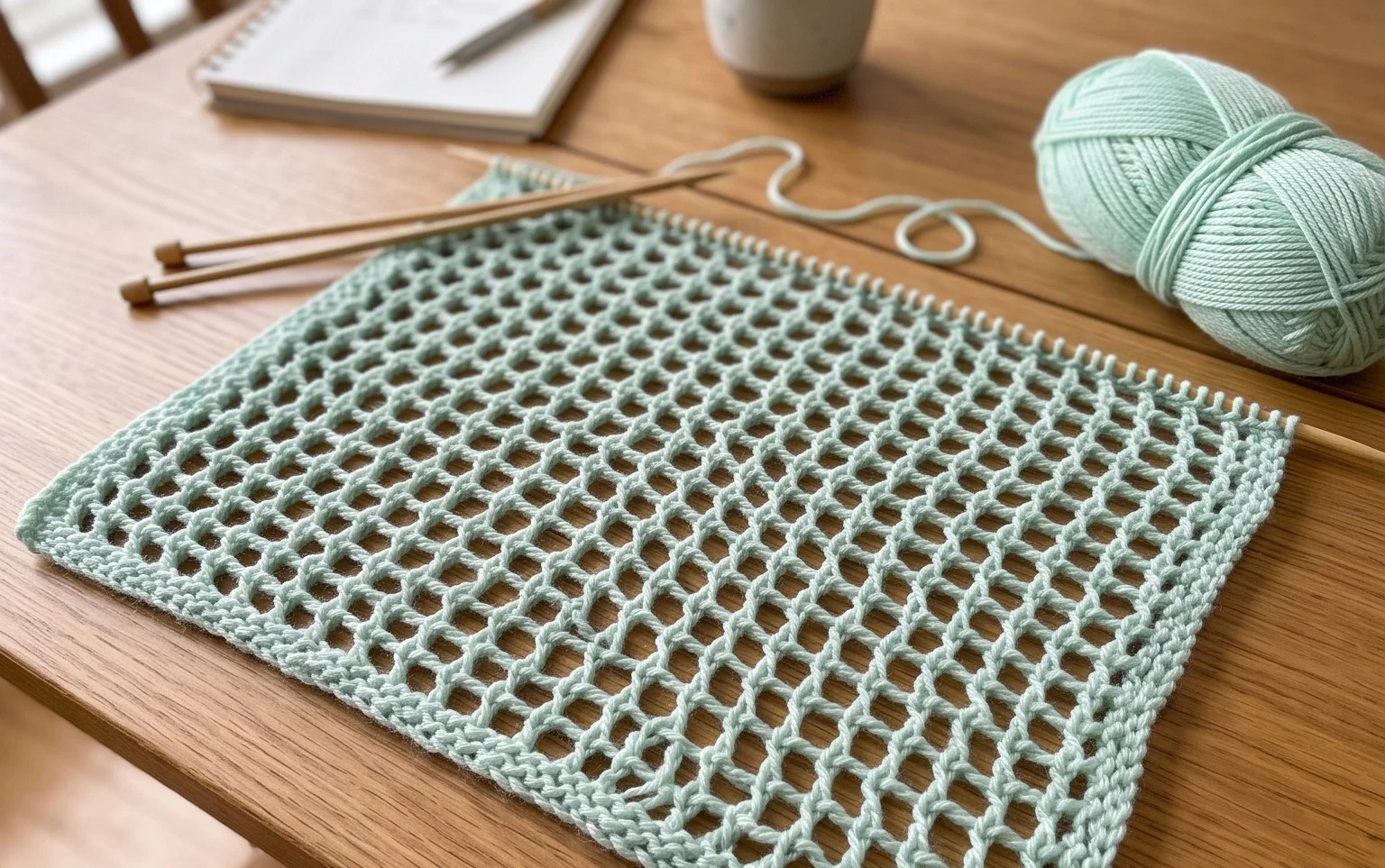
Cotton yarn leaves a distinct, clean scent when damp, and this simple dishcloth highlights that tactile quality with a dense, bumpy finish. The moss stitch creates a thick fabric that grips onto stuck-on food bits on your plates or stove while remaining soft enough for a quick wipe of the counter. Beginners will find this project helpful because it relies on just two basic stitches, allowing you to establish a steady rhythm within minutes. You only need a basic hook and a single ball of yarn to start, making this a practical choice for clearing out your craft bin.
Why You’ll Love This Pattern
This classic crochet dishcloth relies on the textured grit of the moss stitch, making it highly effective for scrubbing surfaces while remaining gentle enough for daily use. Because it is worked in a simple back-and-forth pattern, it serves as a meditative project that requires minimal counting once the initial foundation is established. It utilizes less than one standard ball of cotton yarn, allowing you to clear out leftover scraps from larger projects. Its durable design stands up to repeated machine washing, ensuring the finished piece maintains its integrity and utility over months of heavy cleaning.
I managed to finish two of these in a single evening while watching a movie. The texture is much better than store-bought sponges for cleaning my cast iron pans.
— Sarah, home crafter
Pattern Overview & Skill Level
- Skill Level: Beginner
- Approximate Time: 1 to 2 hours
- Construction: Worked in flat rows starting from a foundation chain
- Finished Dimensions: 8 inches by 8 inches
Materials & Supplies Needed
- Yarn: Worsted weight (#4), 100% cotton, approximately 60–70 yards.
- Hook Size: 5.0 mm (US H-8).
- Notions: Tapestry needle for weaving in ends, scissors.
- Yarn Substitutions: You may use a cotton-acrylic blend, but note that 100% cotton is preferred for absorbency; acrylic fibers will not absorb water as effectively and may melt if used on hot surfaces.
Stitch Guide & Abbreviations (US Terms)
- ch = chain
- sc = single crochet
- sk = skip
- st = stitch
- Moss Stitch: A pattern created by alternating single crochet stitches and chain stitches, working the sc into the chain-space of the previous row.
Step-by-Step Pattern Instructions
Foundation and Main Body
- Row 1: Ch 32. Sc in 4th ch from hook, *ch 1, sk 1 ch, sc in next ch; repeat from * across. Turn. (16 sc, 15 ch-spaces)
- Row 2: Ch 2 (counts as ch-1), sk first sc, sc in first ch-1 space. *Ch 1, sk next sc, sc in next ch-1 space; repeat from * across to last ch-2 space, sc in that space. Turn. (16 sc, 15 ch-spaces)
- Rows 3–30: Repeat Row 2 until the piece measures 8 inches in height.
Finishing
Once you reach the desired length, fasten off the yarn by pulling the tail through the final loop. Use a tapestry needle to weave the loose ends back and forth through the stitches on the wrong side of the cloth to secure them. Clip the remaining yarn close to the fabric, ensuring the ends are buried deep enough that they will not unravel during laundering.
Care & Washing Instructions
- Machine wash on a warm setting (up to 104°F) with like colors.
- Lay flat to dry on a clean towel to prevent stretching or misshaping.
- Do not bleach or iron, as this can break down the natural cotton fibers over time.
Pro Tips & Common Mistakes to Avoid
Maintain consistent tension throughout the project by ensuring your chains are not pulled too tightly, as tight chains will cause the dishcloth to shrink and lose its square shape. Use a stitch marker on the first sc of every row to easily identify where to work your final stitch, which helps maintain straight edges. Weave your ends in multiple directions—horizontally and vertically—to ensure they stay secure after multiple trips through the washing machine. If you wish to adjust the size, simply increase or decrease your foundation chain by an even number; remember that larger cloths require more yarn than the 70 yards suggested here.
Frequently Asked Questions
Can I use a different yarn weight for this pattern?
Yes, you can use a DK weight or a chunky weight yarn, but you will need to adjust your starting chain and row count to reach your desired size. A lighter yarn will create a thinner cloth, while a heavier yarn will result in a thicker, bulkier scrubber.
Why are the edges of my dishcloth curling?
Curling often occurs if the tension on the foundation chain is too tight compared to the rest of the work. Try using a crochet hook one size larger for the foundation chain only, then switch back to your regular hook for the remainder of the rows.
Is this pattern suitable for someone who has never held a hook?
The moss stitch is an excellent entry point for new crocheters because it focuses exclusively on two basic movements: the chain and the single crochet. It provides immediate feedback and a clear, repetitive rhythm that helps build muscle memory quickly.
Am I allowed to sell the dishcloths I make from this guide?
You are welcome to sell finished items made from this pattern, provided you credit the design. Please do not sell or distribute the pattern itself, as the instructions remain protected.
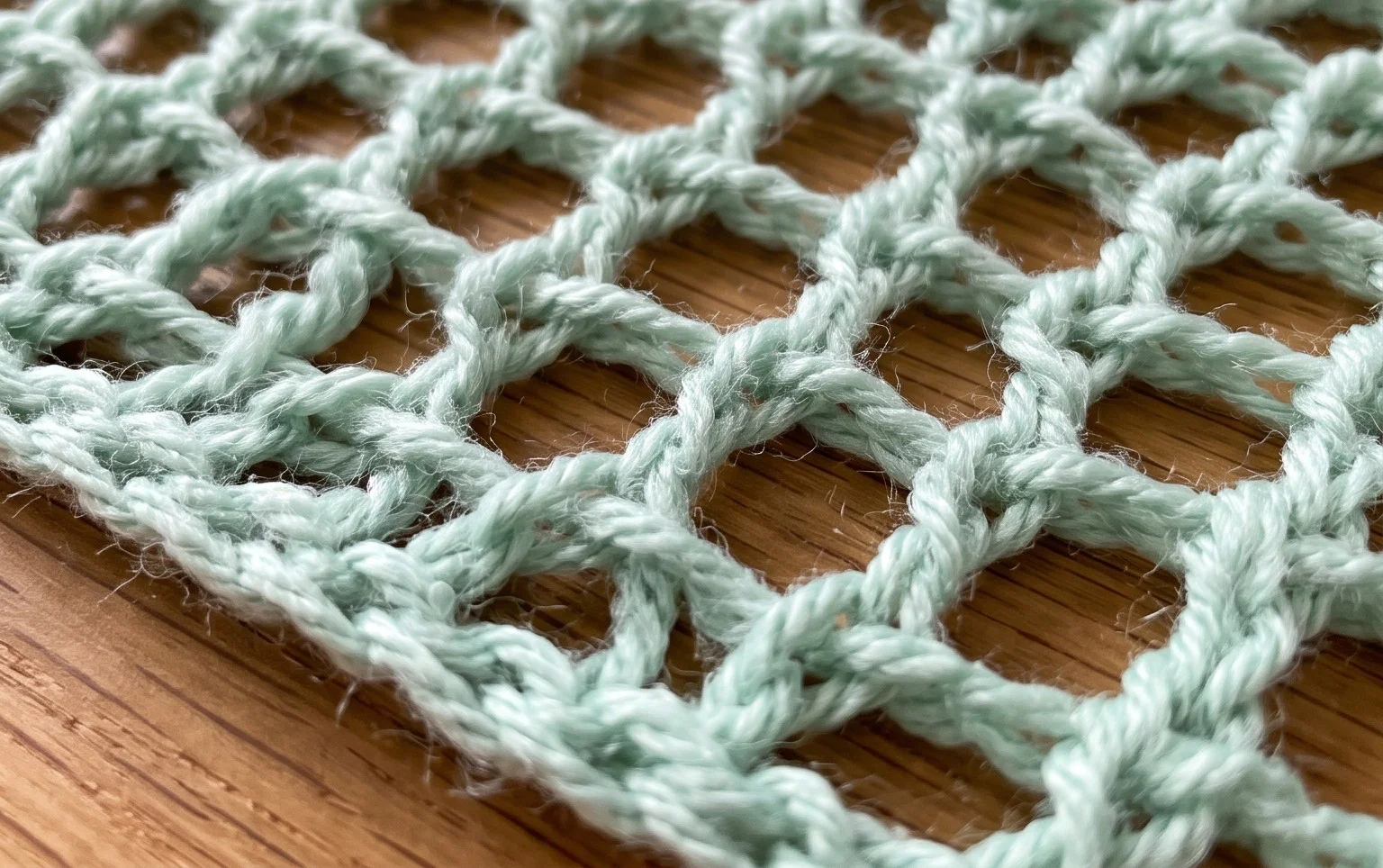
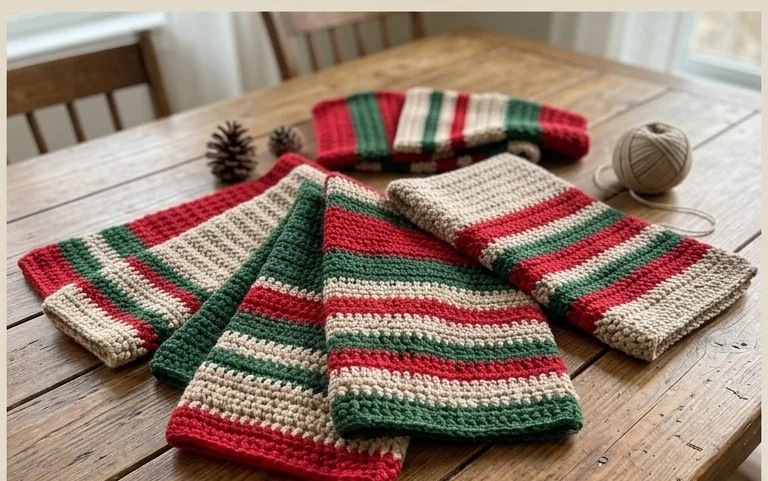
Your new dishcloth is ready to handle your toughest kitchen cleanup jobs with its reliable, scrubby texture. You might try alternating colors every five rows to give your stack a striped look or increase the starting chain by ten stitches for a larger surface area. Post a photo of your finished work on social media so others can see your color choices. Come back to the blog soon to browse our library of additional free patterns for your next quiet evening of crafting.